
Sustainability · Climate Change · Renewable Energy · Clean Tech
Sustainability Trends 2024
Seven sustainability trends to watch in 2024, covering climate change impacts, elections' influence, clean tech expansion, and more.
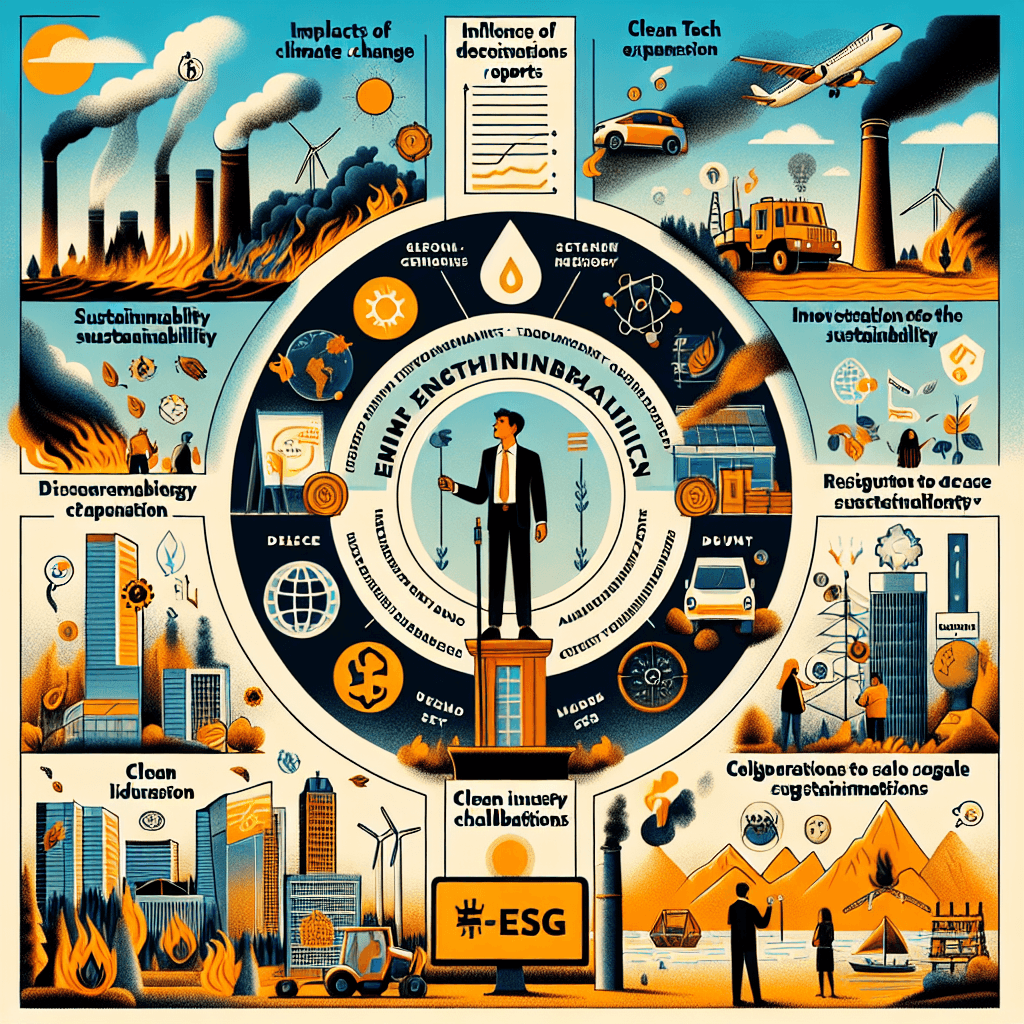
Title: Seven Sustainability Trends to Watch in 2024
Introduction: In the ever-changing landscape of corporate sustainability, predicting the future may seem like an impossible task. However, examining the trends that emerged in 2023 can provide insights into what to expect in 2024. From climate change impacts to elections influencing sustainability actions, the upcoming year promises significant developments in the sustainability arena.
Simplified Concepts:
- Climate Change Impacts: Climate change is not just a distant threat but a current reality. Extreme weather events like wildfires, floods, and droughts will continue to affect businesses and supply chains. As awareness grows, companies will face increasing pressure to address these challenges, especially with younger generations demanding action.
- Elections' Influence: National elections in key countries will shape the future of sustainability. The outcome of elections, particularly in the U.S., can have a profound impact on climate action and investment in clean technologies. Political decisions will influence how businesses operate and engage with sustainability goals.
- Sustainability Reporting: Transparency and reporting regulations are gaining momentum. Companies face new requirements to disclose environmental impacts and sustainability practices. Increased investments in compliance are expected as businesses navigate these regulations to meet stakeholders' expectations.
- Clean Tech Expansion: The transition to renewable energy sources is accelerating globally. Policies supporting clean tech coupled with economic viability are driving the expansion of renewable energy markets. Despite potential challenges like supply chain issues, the momentum towards clean energy is unstoppable.
- Challenges from Fossil Fuel Industry: As clean tech advances, vested interests in the fossil fuel industry may deploy distractions and misinformation to protect their profits. Companies pursuing decarbonization must navigate these narratives and stay focused on their sustainability goals.
- Partnerships for Scale: Collaborations to address sustainability issues on a larger scale are gaining traction. Industries with high carbon emissions are forming partnerships to develop greener products and technologies. This emphasis on systems thinking aims to drive collective action towards sustainable solutions.
- Anti-ESG Movement: The resistance against environmental, social, and governance (ESG) efforts may diminish as companies realize the long-term benefits of sustainability initiatives. Businesses continue to prioritize sustainability despite external pressures, recognizing the value of aligning with social values and stakeholder expectations.
Highlighting Significant Points:
- The urgency of climate change impacts underscores the need for businesses to adapt and innovate sustainable practices.
- Political decisions, especially in influential countries like the U.S., will shape the future of sustainability initiatives and investments.
- Compliance with reporting regulations and transparency will become paramount for companies seeking to demonstrate their commitment to sustainability.
- The growth of clean tech markets presents opportunities for businesses to capitalize on renewable energy solutions while overcoming industry challenges.
- Navigating distractions and misinformation from vested interests is crucial for companies committed to decarbonization and sustainability goals.
- Collaborative partnerships and a systems thinking approach are vital for addressing complex sustainability challenges on a global scale.
- The resilience of companies in the face of anti-ESG sentiments highlights the enduring value of sustainable practices and stakeholder alignment.
Conclusion: As we navigate the uncertain terrain of 2024, resilience, innovation, and collective action will be key to addressing sustainability challenges. By staying informed, proactive, and engaged in sustainable practices, businesses can contribute to building a thriving world for present and future generations.